


Gold
—










What Is a Gold Refinery? How Raw Metal Becomes Investment-Grade Bullion
CHAMBLEE, GA · PRECIOUS METALS EDUCATION
ALEX LEXINGTON
THE DAILY MARKET INTELLIGENCE EDITION
WHAT IT MEANS
A gold refinery is a facility that transforms raw gold — mined ore, scrap jewelry, recycled electronics, and reclaimed bullion — into pure, investment-grade gold bars and products. Refining is the process of removing impurities until the gold reaches .999 or .9999 fineness, suitable for investment, manufacturing, or delivery into the wholesale market.
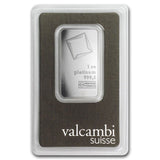
The world's major refineries include PAMP Suisse, Valcambi, Argor-Heraeus, and Metalor in Switzerland, Asahi Refining in the US and Japan, the Perth Mint in Australia, and Rand Refinery in South Africa. These facilities process hundreds of tonnes of gold annually, operating under strict LBMA standards for quality, purity, and responsible sourcing.
Two primary refining methods are used. The Miller process uses chlorine gas to separate gold from base metals and is efficient for producing .995+ fineness — suitable for most wholesale applications. The Wohlwill process uses electrolysis to achieve .9999 fineness — the highest commercial purity. Most major refineries use both methods depending on the required output.
WHY IT MATTERS FOR INVESTORS
Refineries are the quality gatekeepers of the bullion supply chain. Every gold bar in the investment market passed through a refinery. The refinery's reputation, processes, and LBMA accreditation determine whether a bar is accepted globally or faces questions at resale.
LBMA Good Delivery accreditation is the gold standard (literally). Refineries on the Good Delivery List must demonstrate consistent output quality, responsible sourcing practices, and financial stability. Bars from Good Delivery refineries are accepted by every bank, exchange, and dealer worldwide. Bars from non-accredited refineries may trade at a discount or require independent assaying.
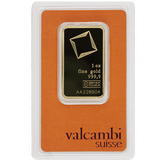
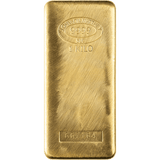
For investors, the refinery stamp on a gold bar is part of its identity. A PAMP Suisse bar carries the PAMP hallmark, a unique serial number, and an assay certificate. This documentation creates a chain of custody from refinery to vault — essential for insurance, estate documentation, and resale.
HOW IT CONNECTS TO PRECIOUS METALS
Alex Lexington sources gold from established refineries and sovereign mints that use Good Delivery feedstock. When a client purchases a PAMP bar, Valcambi bar, or sovereign mint coin, the refinery provenance is documented and verifiable.
Our scrap and buyback operations connect to refineries as well. Gold purchased from customers — old jewelry, broken chains, dental gold — is assayed, melted, and sent to refineries for processing. The refined output re-enters the supply chain as new investment-grade products. This is the circular economy of gold: nothing is lost, everything is refined and recycled.
THE BOTTOM LINE
Refineries are the quality infrastructure of the gold market. They transform raw metal into investment-grade products with documented purity, provenance, and chain of custody. Always buy from refineries on the LBMA Good Delivery List or sovereign mints that source from them. The refinery stamp on your bar is your assurance of quality.
WHERE THIS APPLIES
Refined, hallmarked bars from recognised refiners are what we stock — see gold in the case today. Selling raw or scrap metal instead? Start with the scrap calculator.
RELATED TERMS
Hallmark | LBMA | Purity (.999 vs .9999) | Good Delivery Bar | Sovereign Mint
DISCLOSURE
Alex Lexington provides this content for educational purposes only. This is not investment advice. Precious metals prices fluctuate and past performance does not guarantee future results. Consult a qualified financial advisor before making investment decisions. Alex Lexington is a licensed precious metals dealer, not a registered investment advisor.