


Gold
—








What Is Face Value on Gold Coins? Why a $50 Eagle Is Worth Far More
CHAMBLEE, GA · PRECIOUS METALS EDUCATION
ALEX LEXINGTON
THE DAILY MARKET INTELLIGENCE EDITION
WHAT IT MEANS
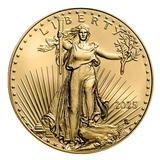
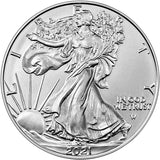
Face value is the legal tender denomination stamped on a coin by the issuing government. An American Gold Eagle carries a $50 face value. A Silver Eagle carries $1. A Canadian Gold Maple Leaf carries C$50. These numbers are printed right on the coin — and they bear almost no relationship to what the coin is actually worth.
Price as of August 2026 — see live gold spot for today's figure.
A 1 oz Gold Eagle with a $50 face value contains one troy ounce of gold currently worth several thousand dollars — roughly ninety times its face value. The $50 face value is a legal formality — it gives the coin legal tender status in the United States, meaning it could theoretically be used to pay a $50 debt. No one does this, of course, because the gold content is worth roughly ninety times the face value.
Face values on modern bullion coins are set deliberately low and are not updated as metal prices change. The US Mint has used $50 for the 1 oz Gold Eagle since 1986. This is intentional — the face value is a legal designation, not a price. The market value is determined by the gold content.
WHY IT MATTERS FOR INVESTORS
Face value matters in a few specific contexts despite being irrelevant to market pricing.
First, legal tender status. Because a Gold Eagle is legal US tender, it receives certain legal protections and tax treatment that vary by state. Some states exempt legal tender gold and silver coins from sales tax. The face value is what establishes this legal tender status.
Second, IRA eligibility. The IRS rules for precious metals IRAs reference legal tender coins from sovereign mints. Face value is part of what defines a coin versus a round or bar. An American Gold Eagle with a $50 face value qualifies for IRA inclusion. A generic gold round with no face value does not.
Third, the 90% silver coinage market. Pre-1965 US quarters, dimes, and half dollars — often called "junk silver" — are traded based on multiples of face value. A bag of $1,000 face value in 90% silver half dollars contains approximately 715 troy ounces of silver. In this market, face value is the unit of measure for bulk transactions.
Beyond these contexts, face value is a number on the coin that new buyers sometimes find confusing and experienced buyers ignore entirely. The market value is always based on metal content plus premium — never face value.
HOW IT CONNECTS TO PRECIOUS METALS
At Alex Lexington, we price every coin based on its metal content and market premium — never face value. A $50 Gold Eagle is priced at spot plus the applicable premium. A $1 Silver Eagle is priced at silver spot plus premium. The face values are irrelevant to the transaction.
For 90% silver coin transactions, face value is the standard trade unit. A customer selling "$100 face" in Washington quarters is selling approximately 71.5 troy ounces of silver. We calculate the purchase price from the silver content, using the face value as a convenient unit for counting.
THE BOTTOM LINE
Face value is a legal designation, not a price. It gives coins legal tender status and affects tax treatment and IRA eligibility, but it has nothing to do with what a coin is worth in the market. Always evaluate coins based on metal content and premium — the stamped denomination is a legal formality.
WHERE THIS APPLIES
A coin is worth its metal, and its metal is priced live. Check live gold spot, then see gold in the case today.
RELATED TERMS
Bullion | Sovereign Mint | Troy Ounce | Numismatics | Karat vs Fineness
DISCLOSURE
Alex Lexington provides this content for educational purposes only. This is not investment advice. Precious metals prices fluctuate and past performance does not guarantee future results. Consult a qualified financial advisor before making investment decisions. Alex Lexington is a licensed precious metals dealer, not a registered investment advisor.