







Understanding the Bid-Ask Spread in Precious Metals
WHAT IT MEANS
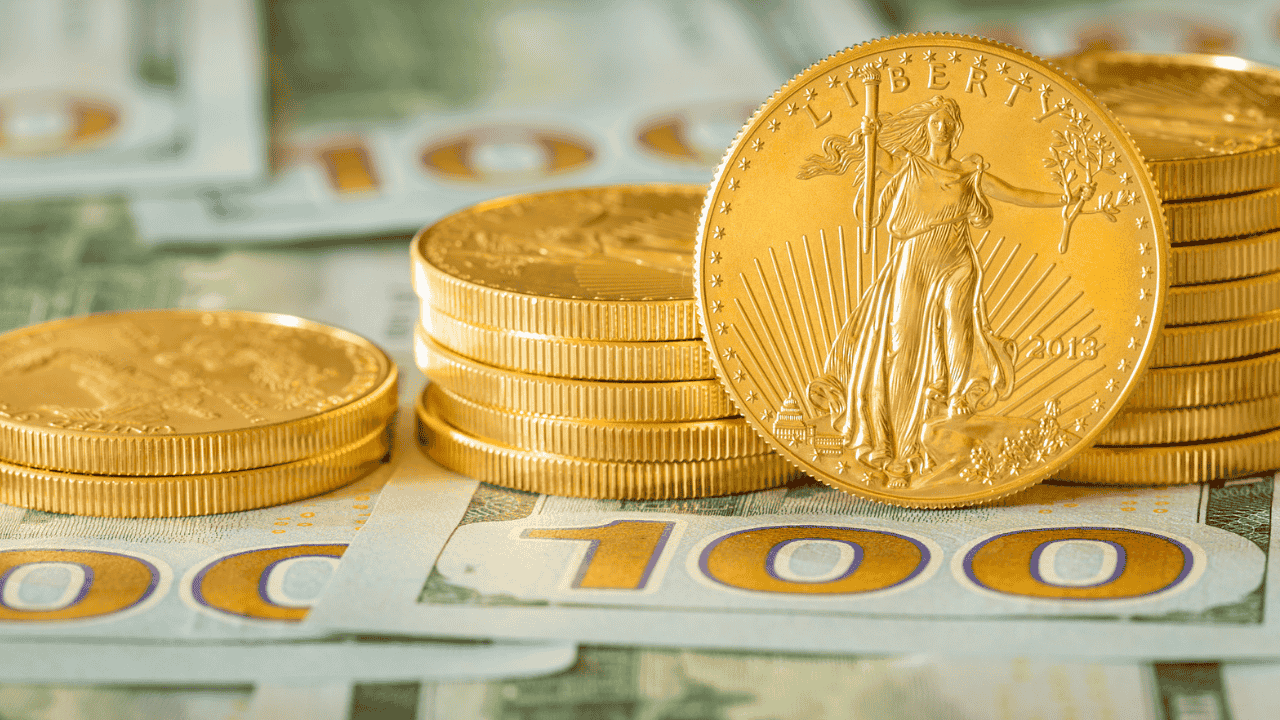
The bid-ask spread is the difference between the price a dealer will pay to buy gold from you (the bid) and the price they will sell gold to you (the ask). If a dealer bids $2,870 per ounce for a Gold Eagle and asks $3,045 to sell you one, the spread is $175, or about 6%.
This spread is how bullion dealers generate revenue. Unlike stock brokers who charge commissions, precious metals dealers make their margin on the difference between their buy and sell prices.
WHY IT MATTERS FOR INVESTORS
The bid-ask spread is the single best metric for evaluating dealer pricing. A dealer who sells gold at 5% over spot but buys it back at 3% below spot has a total round-trip cost of 8%. A dealer who sells at 4% over spot but buys at 1% below has a round-trip cost of 5%. The second dealer is cheaper even though both might advertise competitive "sell" prices.
Spreads vary by product. Sovereign coins from major mints (Eagles, Maples, Krugerrands) have the tightest spreads because they are the most liquid — dealers can resell them easily. Generic bars and rounds have slightly wider spreads because there is more buyer scrutiny on brand and origin. Numismatic coins have the widest spreads because valuation is subjective.
Spreads vary by metal. Gold has the tightest percentage spreads because its high per-ounce value means even a small percentage generates meaningful dollar revenue. Silver has wider percentage spreads because the lower per-ounce value means dealers need a larger percentage to cover the same handling costs.
Spreads vary by market conditions. During calm, well-supplied markets, competition compresses spreads. During demand surges or supply disruptions, dealers widen spreads because they face higher replacement costs and inventory risk. If a dealer sells their last Gold Eagle today and cannot restock for a week, they need to price the replacement risk into their ask.
HOW IT CONNECTS TO PRECIOUS METALS
Understanding spreads helps you make three better decisions.
First, compare dealers on total round-trip cost, not just the buy price. Ask what the dealer pays when you sell back. A dealer with the lowest ask price but the widest buyback spread may be more expensive over the full cycle.
Second, choose products with tighter spreads if you might sell within a few years. Sovereign mint coins trade with tighter spreads than generic bullion. This matters less for 20-year holders but significantly for anyone who might liquidate within a shorter window.
Third, time your sells during normal markets when spreads are tight, not during panics when dealers widen their bids. Ironically, the best time to sell gold (when prices spike during a crisis) is also when buyback spreads are widest. Planning your exit during calm markets gets you a better net price.
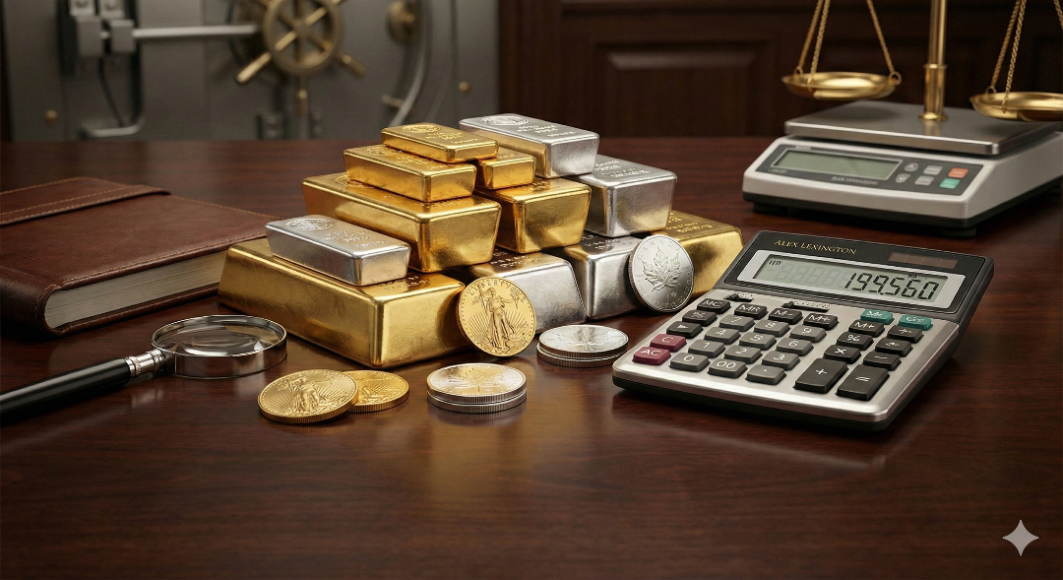
Typical spreads for common products: gold sovereign coins bid 1-2% below spot, ask 3-5% above. Gold bars bid 1-2% below, ask 2-4% above. Silver sovereign coins bid 5-8% below, ask 15-25% above. Silver bars bid 3-5% below, ask 8-12% above.
THE BOTTOM LINE
The bid-ask spread tells you more about a dealer's pricing than any advertisement. Transparent dealers disclose both their buy and sell prices. The total round-trip cost — what you pay to buy plus what you lose when you sell — is the true cost of your precious metals investment.
At Alex Lexington, buyback pricing is based on live spot with transparent spreads. Gold bullion premiums run 3-3.5% on the sell side. We publish our bid and ask so you always know the full picture.
RELATED TERMS
Spot Price | Premium (Over Spot) | Liquidity | Bullion | Troy Ounce
DISCLOSURE
Alex Lexington provides this content for educational purposes only. This is not investment advice. Precious metals prices fluctuate and past performance does not guarantee future results. Consult a qualified financial advisor before making investment decisions. Alex Lexington is a licensed precious metals dealer, not a registered investment advisor.