







What Is Bullion? Bars, Coins, and Rounds Explained
WHAT IT MEANS
Bullion is precious metal — gold, silver, platinum, or palladium — in a standardized form valued primarily by its weight and purity rather than artistic design, rarity, or face value. Bullion is produced as bars, coins, and rounds, and it is the core product class for investors who want direct exposure to physical metal.
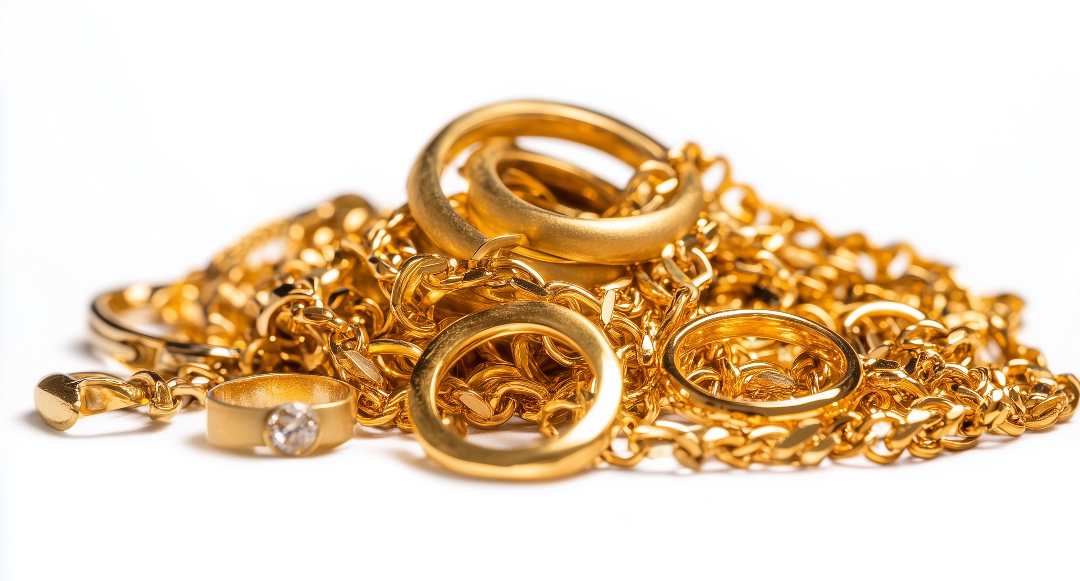
The word comes from the French "bouillon," meaning boiling — a reference to the process of melting and casting metal. Today, bullion represents the investment-grade segment of the precious metals market, as opposed to jewelry (valued partly for craftsmanship) or numismatic coins (valued for historical rarity).
WHY IT MATTERS FOR INVESTORS
Bullion comes in three primary forms, each with distinct characteristics.
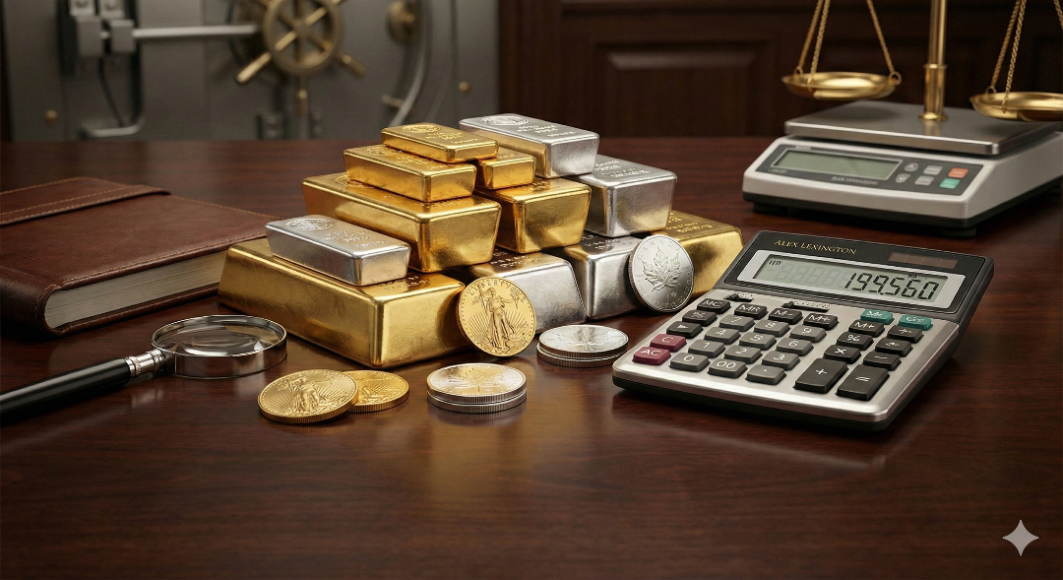
Bars are rectangular or cast pieces stamped with weight, purity, and the refiner's mark. They are the most cost-efficient way to buy metal because their production costs are lower than coins. Bars range from 1 gram to 400 troy ounces (the standard "good delivery" bar held by central banks). For retail investors, 1 oz, 10 oz, and 1 kilo bars are the most common. Bars from LBMA-accredited refiners — PAMP Suisse, Valcambi, Argor-Heraeus, Asahi — carry the most liquidity and trust.
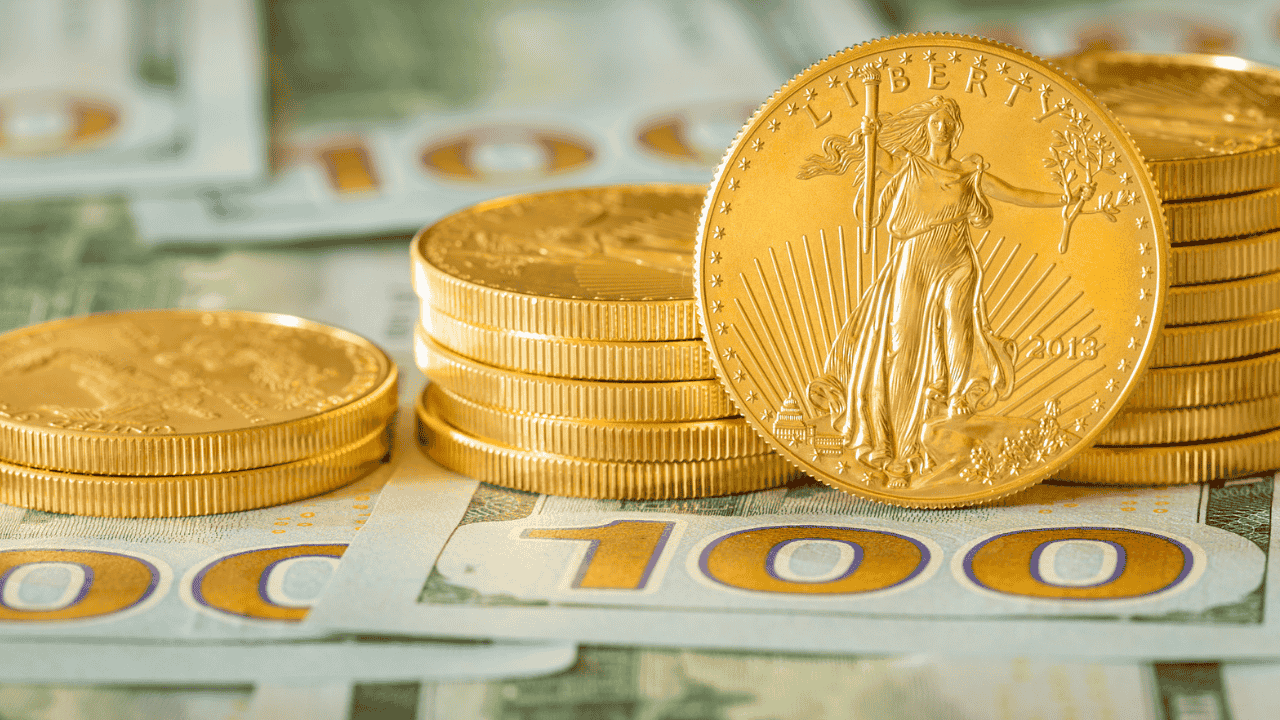
Coins are struck by government-operated sovereign mints and carry a face value (legal tender status). The American Gold Eagle has a face value of $50 despite containing over $2,900 worth of gold. Face value is symbolic — it does not determine the coin's market price. Sovereign coins are the most liquid bullion products because they carry government guarantees of weight, purity, and authenticity. The world's most traded gold coins include the American Eagle, Canadian Maple Leaf, South African Krugerrand, British Britannia, and Austrian Philharmonic.
Rounds are coin-shaped bullion produced by private mints. They look like coins but have no face value and no government backing. Rounds carry lower premiums than sovereign coins because they lack the government guarantee, but they contain the same quantity and purity of metal. Common producers include Sunshine Minting, Asahi Refining, and various private mints.
HOW IT CONNECTS TO PRECIOUS METALS
Choosing between bars, coins, and rounds depends on your priorities.
If liquidity and universal recognition are paramount — perhaps because you want metal that can be sold instantly anywhere in the world — sovereign coins are the standard. You pay a slightly higher premium for that liquidity, but you recover much of it when you sell because buyers trust the product.
If you want to maximize ounces per dollar and you are a long-term holder who will likely sell through a dealer rather than privately, bars and rounds offer more metal for your money. A 10 oz silver bar from a reputable refiner costs significantly less per ounce than ten individual 1 oz Silver Eagles.
If you are building a vault position over time through dollar-cost averaging, 1 oz coins and bars are the most practical unit. They are easy to track, easy to value, and offer flexibility if you ever need to sell a portion rather than an entire position.
One important distinction: bullion is not numismatics. Numismatic coins are valued for their rarity, historical significance, and condition — factors that are subjective and require specialized knowledge. Bullion is valued by weight and purity, which are objective and universally measurable. For investors focused on wealth preservation and metal exposure, bullion is the appropriate product class.
THE BOTTOM LINE
Bullion is the purest expression of precious metals investing. Bars, coins, and rounds each serve different investor needs, but they all provide direct ownership of physical metal at transparent, spot-referenced pricing.
Alex Lexington carries a full bullion catalog — sovereign coins, LBMA-accredited bars, and private mint rounds — across gold, silver, platinum, and palladium. Every product is priced from the live spot rate with transparent margins.
RELATED TERMS
Spot Price | Premium (Over Spot) | Troy Ounce | Sovereign Mint | Numismatics
DISCLOSURE
Alex Lexington provides this content for educational purposes only. This is not investment advice. Precious metals prices fluctuate and past performance does not guarantee future results. Consult a qualified financial advisor before making investment decisions. Alex Lexington is a licensed precious metals dealer, not a registered investment advisor.