







What Is Fiat Currency? Why Government Money Drives Demand for Gold
WHAT IT MEANS
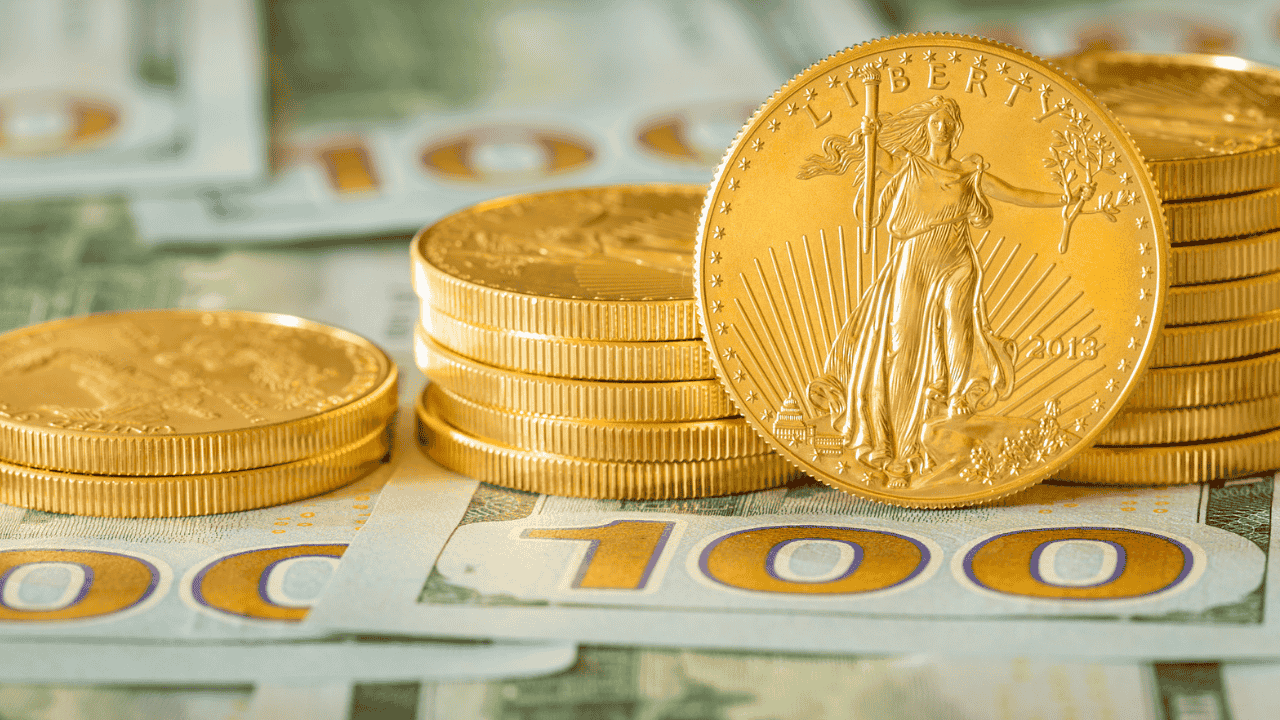
Fiat currency is money issued by a government that is not backed by a physical commodity like gold or silver. Its value comes from the authority of the issuing government and the collective agreement of the people who use it. The US dollar, euro, Japanese yen, and British pound are all fiat currencies.
The word "fiat" comes from Latin, meaning "let it be done" — an authoritative decree. Fiat money exists because the government says it does. There is no warehouse of gold behind the Federal Reserve backing each dollar in circulation. Instead, the system operates on trust: trust that the government will manage its currency responsibly, that the central bank will control inflation, and that tomorrow a dollar will buy roughly what it buys today.
Every major currency in the world today is fiat. The last connection between the US dollar and gold was severed in 1971 when President Nixon ended the Bretton Woods system. Since that moment, the dollar's value has been determined entirely by monetary policy, economic conditions, and market confidence.
WHY IT MATTERS FOR INVESTORS
Fiat currency's relationship with precious metals is direct and inverse. The fundamental case for owning gold is that fiat currencies lose purchasing power over time — not occasionally, but systematically, as a feature of how modern monetary systems are designed.
Central banks target approximately 2% annual inflation as a goal. That means the purchasing power of every dollar, euro, and yen is designed to decline by 2% per year. Over a decade, that compounds to roughly 18% loss. Over a generation, roughly 45%. This is not an accident — moderate inflation encourages spending and borrowing, which drives economic activity.
Gold does not inflate. No government can print more of it. Global gold mining adds approximately 1.5% to the above-ground supply each year — far below the rate at which most central banks expand the money supply. This scarcity is not a policy choice that can be reversed — it is a physical constraint.
The historical record is stark. Since the US abandoned the gold standard in 1971, the dollar has lost over 85% of its purchasing power. A basket of goods that cost $100 in 1971 costs roughly $760 today. Over that same period, gold has risen from $35 per troy ounce to over $2,900 — a compound return that has more than preserved purchasing power.
HOW IT CONNECTS TO PRECIOUS METALS
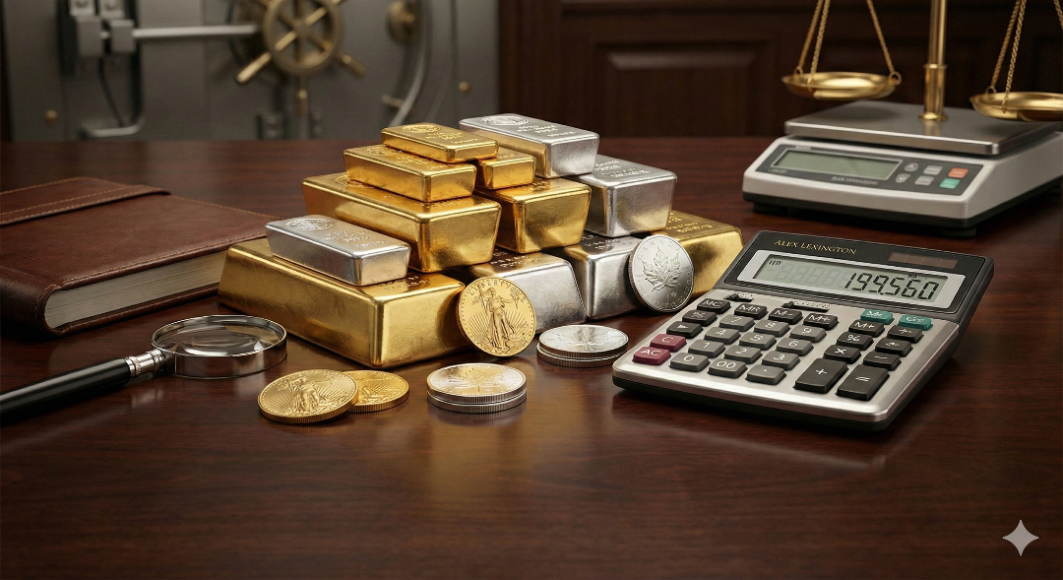
For Alex Lexington clients, the fiat currency framework is the foundation of the investment thesis. Precious metals are not speculative bets — they are a response to the structural reality of modern monetary systems. Every government in the world is incentivized to expand its money supply. Every expansion dilutes the purchasing power of existing currency. Gold and silver provide a hedge against that dilution.
This framework also explains why central banks themselves hold gold. They understand better than anyone that fiat currencies depreciate — they design them that way. Gold reserves provide a credibility anchor and a store of value that no other central bank can print.
For clients building a metals position, the question is not whether fiat currencies will continue to lose value — the system is designed to ensure they do. The question is what percentage of your savings should be held in an asset that cannot be inflated away.
THE BOTTOM LINE
Fiat currency is government money backed by authority, not metal. It is designed to lose purchasing power gradually through inflation. Gold and silver exist outside this system — they cannot be printed, expanded, or devalued by policy. Understanding this relationship is the starting point for every precious metals investment decision.
RELATED TERMS
Inflation Hedge | Federal Reserve | Quantitative Easing | De-Dollarization | Purchasing Power
DISCLOSURE
Alex Lexington provides this content for educational purposes only. This is not investment advice. Precious metals prices fluctuate and past performance does not guarantee future results. Consult a qualified financial advisor before making investment decisions. Alex Lexington is a licensed precious metals dealer, not a registered investment advisor.