


Gold
—





What Is Melt Value? The Floor Under Every Piece of Precious Metal
WHAT IT MEANS
Melt value is what something is worth purely for the precious metal it contains — weight multiplied by purity multiplied by the spot price. Nothing else counts. Not the craftsmanship, not the brand, not the design, not what it cost originally.
A 14-karat gold bracelet weighing 20 grams is 58.3% gold, so it contains roughly 11.7 grams of pure gold, and its melt value is whatever that quantity of gold is worth at the moment you ask.
WHY IT MATTERS FOR INVESTORS
Melt is the floor. Every other way of valuing precious metal is melt plus something, and knowing the floor is what lets you evaluate the something.
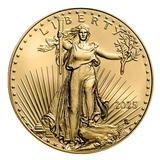
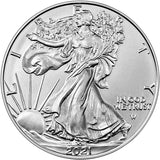
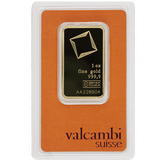
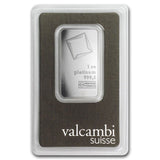
For bullion, the calculation is simple and the gap above melt is the premium — the fabrication, distribution and dealer margin that turns raw metal into a recognised one-ounce coin. That premium is modest and you can see it plainly by comparing the price to the melt value.
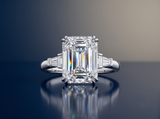
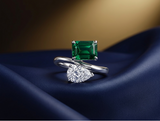
For jewellery the gap is enormous, and mostly not about metal at all. Retail jewellery carries design, labour, brand, stones, and a retail markup that can put the ticket price at several multiples of melt. None of that survives the sale. When jewellery is sold for its metal, it is valued as metal — which is why the offer on an inherited piece so frequently shocks the person holding it.
That shock is worth pre-empting. It is not a comment on the piece or on whoever bought it. It is the difference between what a finished object sells for at retail and what its raw material is worth.
HOW IT CONNECTS TO PRECIOUS METALS
Three practical points.
Karat stamps drive the arithmetic. 24k is pure, 22k is 91.67%, 18k is 75%, 14k is 58.3%, 10k is 41.7%. Sterling silver is 92.5%. These fractions determine everything, and a lot of jewellery is not the karat its owner believes it is.
Settlement sits below melt, for reasons you can see. A buyer of scrap has to test it, sort it, ship it, and refine it — and they carry the price risk in between. So scrap settles at a percentage of melt rather than at melt itself. A transparent buyer will tell you what that percentage is. The number to compare between buyers is that percentage, not vague talk about paying "top dollar".
Melt does not apply to everything. A coin with genuine numismatic value is worth more than its metal, and melting it would destroy that value. A competent buyer separates those out rather than weighing everything together. If nobody looks at what you brought in before quoting, that is worth noticing.
THE BOTTOM LINE
Melt value is the honest baseline of the precious metals world. It strips away everything except weight, purity and the market price of metal.
Knowing how to compute it changes the conversation when you sell. You arrive knowing roughly what the metal is worth, and the only remaining question is what percentage of that a buyer is offering — which is a question with a checkable answer.
WHERE THIS APPLIES
Work out melt before you come in: the scrap and karat calculator does the arithmetic for jewellery and 90% coinage, and the buyback calculator covers recognised bullion. Both run off live spot.
RELATED TERMS
Karat vs Fineness | Purity | Metal Premium | Spot Price | Full glossary
DISCLOSURE
Alex Lexington provides this content for educational purposes only. This is not investment advice. Precious metals prices fluctuate and past performance does not guarantee future results.