


Gold
—







Understanding Gold Premiums: Why Physical Metal Costs More Than Spot Price
CHAMBLEE, GA · PRECIOUS METALS EDUCATION
ALEX LEXINGTON
THE DAILY MARKET INTELLIGENCE EDITION
WHAT IT MEANS
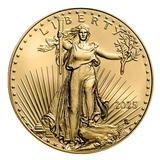
The premium is the amount you pay above the spot price when you buy a physical precious metals product. If the spot price of gold is $4,678 and a 1 oz American Gold Eagle costs $4,842, the premium is $164 — or 3.5% over spot.
Figures as of August 2026. Prices move daily — check live gold spot for the number that is true right now.
Every physical product carries a premium. It is not a markup that dealers invented — it reflects the real costs embedded in turning raw metal into a finished, certified product that sits in your hand or your vault.
WHY IT MATTERS FOR INVESTORS
The premium covers four layers of cost that exist between the raw metal and the product you receive.
Minting and fabrication is the first layer. Striking a coin or pouring a bar requires specialized equipment, precision tooling, and quality control. Sovereign mints like the U.S. Mint, Royal Canadian Mint, and Perth Mint invest heavily in anti-counterfeit features — micro-engraving, holographic elements, security edges — that add cost but also add trust and liquidity to the finished product.
Refining and assay is the second layer. Raw gold must be refined to investment-grade purity (.999 or .9999 fine), then tested and certified. LBMA-accredited refiners carry their reputation on every bar they stamp.
Distribution is the third layer. Metal moves from refiner to mint to authorized distributor to dealer. Each step involves shipping, insurance, security, and handling costs.
Dealer margin is the fourth layer. A dealer maintains physical inventory (which ties up capital), pays for vault storage, insurance, staff, and compliance infrastructure. The margin covers these operating costs.
HOW IT CONNECTS TO PRECIOUS METALS
Premiums vary significantly by product type, size, and market conditions.
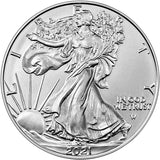
Sovereign mint coins (Eagles, Maples, Krugerrands, Britannias) carry the highest premiums — typically 3-8% for gold and 15-30% for silver. You pay more for the government guarantee, the anti-counterfeit features, and the universal recognition that makes these coins the most liquid bullion products in the world.
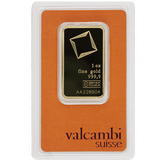
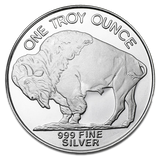
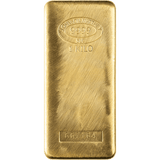
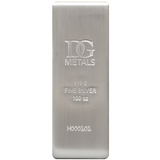
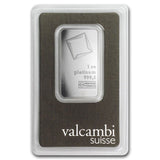
Private mint bars and rounds carry lower premiums — typically 2-5% for gold and 8-15% for silver. They lack the government imprimatur but offer more metal per dollar spent.
Larger sizes compress premiums per ounce. A 10 oz gold bar has a lower percentage premium than a 1 oz coin because the fixed minting costs are spread across more metal. A 100 oz silver bar carries a much lower percentage premium than 100 individual 1 oz rounds.
Fractional sizes expand premiums. A 1/10 oz Gold Eagle might carry a 10-15% premium because the minting costs to produce a tiny coin are nearly the same as a full ounce coin.
Market conditions create the largest swings. During calm markets with steady supply, premiums sit at their floors. During demand surges — a financial crisis, a geopolitical shock, a viral social media moment — premiums can spike as available inventory gets depleted.
The smart buyer's approach: understand that premium is a cost you pay once at purchase. If you buy a Gold Eagle at 3.5% over spot and sell it later slightly below spot, the round-trip cost is modest. For a long-term holder, this is a minor cost spread over years or decades. For a short-term trader, premiums eat into gains. Physical precious metals reward patience.
THE BOTTOM LINE
The premium is not a hidden fee — it is the cost of turning raw metal into a certified, finished product with verified purity and global liquidity. Knowing how premiums work lets you compare dealers accurately, choose products that match your goals, and understand the true cost of building a physical metals position.
At Alex Lexington, premiums are transparent and disclosed upfront on every quote. Gold bullion starts at 3.5% over spot at one ounce and above, and rises for fractional sizes, where the minting cost is spread across less metal. Silver runs 8%, with Silver Eagles at 10%. No hidden markups, no opaque pricing structures.
WHERE THIS APPLIES
Compare live premiums yourself: browse gold or silver against live spot. Selling rather than buying? See what we pay with the buyback calculator.
RELATED TERMS
Spot Price | Bid/Ask Spread | Troy Ounce | Bullion | Sovereign Mint
DISCLOSURE
Alex Lexington provides this content for educational purposes only. This is not investment advice. Precious metals prices fluctuate and past performance does not guarantee future results. Consult a qualified financial advisor before making investment decisions. Alex Lexington is a licensed precious metals dealer, not a registered investment advisor.