


Gold
—





What Is a Troy Ounce? The Standard Unit for Precious Metals
CHAMBLEE, GA · PRECIOUS METALS EDUCATION
ALEX LEXINGTON
THE DAILY MARKET INTELLIGENCE EDITION
WHAT IT MEANS
A troy ounce is the standard unit of weight used worldwide for measuring and trading precious metals. One troy ounce equals 31.1035 grams — about 10% heavier than a standard (avoirdupois) ounce used for everyday items like groceries, which weighs 28.3495 grams.
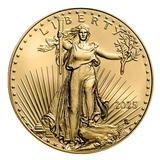
When you hear "gold is at $4,678 per ounce," that is per troy ounce. When a coin is labeled "1 oz Gold Eagle," it contains one troy ounce of gold. When a vault statement shows your holdings in ozt (the standard abbreviation), those are troy ounces.
Price as of August 2026 — see live gold spot for today's figure.
The troy system predates the metric system by centuries. It originated in Troyes, France, a major medieval trading center where merchants standardized weights for precious metals and gemstones. The system was adopted by the British Crown in the 1400s and has been the global standard for bullion ever since.
WHY IT MATTERS FOR INVESTORS
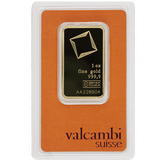
The difference between troy and standard ounces trips up first-time buyers regularly. If you buy a "1 ounce gold bar" and weigh it on a kitchen scale calibrated in standard ounces, it will read approximately 1.097 ounces. This does not mean you received extra gold — it means the measurement systems are different.
The conversion matters in several practical scenarios. When calculating the value of jewelry by weight, a kitchen scale reading must be converted from standard ounces (or grams) to troy ounces before multiplying by spot price. When comparing products priced in grams versus troy ounces, the math is: grams divided by 31.1035 equals troy ounces.
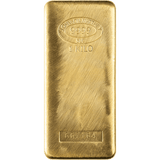
For larger quantities, troy ounces do not scale the same way as standard ounces. A troy pound is 12 troy ounces (373.24 grams), while a standard pound is 16 standard ounces (453.59 grams). So a troy pound is actually lighter than a standard pound — the opposite of the per-ounce relationship. This rarely matters for retail investors but becomes relevant when dealing with large bars denominated in kilograms (1 kg = 32.1507 troy ounces).
HOW IT CONNECTS TO PRECIOUS METALS
Every precious metals transaction, everywhere in the world, uses troy ounces. This includes spot prices quoted on COMEX and the London Bullion Market Association, dealer pricing for coins and bars, vault storage records and custody statements, refiner assay reports, and insurance valuations for stored metals.
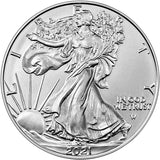
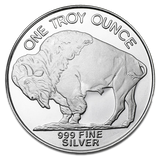
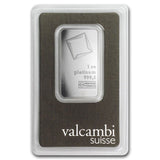
Common product weights in the retail market include 1 ozt (the most popular size for both gold and silver), 1/2 ozt, 1/4 ozt, and 1/10 ozt fractional coins, 10 ozt silver bars, 100 ozt silver bars, and 1 kilogram bars (32.15 ozt).
The weight stamped on a coin tells you the total metal content, but purity also matters. A 1 ozt American Gold Eagle weighs 1.0909 troy ounces total because it contains 1 troy ounce of pure gold plus copper and silver alloy for durability (22 karat, .9167 fine). A 1 ozt Canadian Gold Maple Leaf weighs exactly 1 troy ounce total because it is .9999 fine — virtually pure gold with no alloy.
This is why knowing both weight and purity matters when evaluating a product. A coin's gold content in troy ounces, multiplied by the spot price, gives you its melt value — the baseline from which premiums are calculated.
THE BOTTOM LINE
The troy ounce is one of the oldest measurement standards still in active use. Every price quote, every vault record, and every coin specification in the precious metals world references it. Understanding the difference between a troy ounce and a standard ounce — and how weight interacts with purity — gives you the foundation to evaluate any bullion product accurately.
When you view your vault holdings at Alex Lexington, weights are displayed in troy ounces, broken down by metal type: Au (gold), Ag (silver), Pt (platinum), and Pd (palladium).
WHERE THIS APPLIES
Weighing scrap or jewelry in grams? The scrap calculator does the troy conversion for you. For coins and bars, use the buyback calculator, or browse by weight.
RELATED TERMS
Spot Price | Purity (Karat/Fineness) | Bullion | Gold Purity | Premium (Over Spot)
DISCLOSURE
Alex Lexington provides this content for educational purposes only. This is not investment advice. Precious metals prices fluctuate and past performance does not guarantee future results. Consult a qualified financial advisor before making investment decisions. Alex Lexington is a licensed precious metals dealer, not a registered investment advisor.