


Gold
—





Karat vs Fineness: Understanding Gold Purity Like a Professional
CHAMBLEE, GA · PRECIOUS METALS EDUCATION
ALEX LEXINGTON
THE DAILY MARKET INTELLIGENCE EDITION
WHAT IT MEANS
Gold purity is expressed in two systems: karat and fineness. Both describe the same thing — how much of a product is pure gold versus alloy — but they use different scales.
Karat measures purity in 24 parts. 24 karat (24K) gold is pure gold. 22 karat (22K) gold is 22 parts gold and 2 parts alloy — 91.67% pure. 18 karat (18K) is 75% pure. 14 karat (14K) is 58.3% pure. The karat system is most commonly used for jewelry.
Fineness measures purity in parts per thousand. .999 fine gold is 99.9% pure. .9999 fine is 99.99% pure (often called "four nines"). .9167 fine is 91.67% pure (equivalent to 22K). The fineness system is the standard for bullion and investment products.
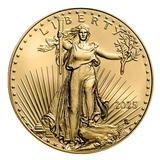
Both systems appear on precious metals products. A U.S. Gold Eagle is stamped "22K" and has a fineness of .9167. A Canadian Gold Maple Leaf is stamped ".9999" and is 24K. Understanding both systems lets you accurately compare any product's gold content.
WHY IT MATTERS FOR INVESTORS
Purity directly determines how much gold you actually own. A 1 oz American Gold Eagle weighs 1.0909 troy ounces total but contains exactly 1 troy ounce of pure gold — the remaining 0.0909 ozt is copper and silver alloy that gives the coin its durability and distinctive color. A 1 oz Canadian Maple Leaf weighs exactly 1 troy ounce and is .9999 fine — virtually all gold, no meaningful alloy.
Both coins contain the same amount of pure gold: 1 troy ounce. The Eagle is just slightly heavier because of its alloy. This is why a Gold Eagle at 22K and a Maple Leaf at 24K trade at similar prices — you are paying for gold content, not total weight.
This distinction matters more for jewelry. An 18K gold bracelet weighing 1 troy ounce contains 0.75 ozt of pure gold. A 14K bracelet of the same weight contains only 0.583 ozt. When selling jewelry for its gold value (melt value), the calculation is: total weight in troy ounces multiplied by the purity fraction, multiplied by the spot price.
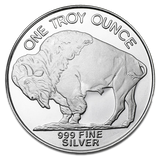
For silver, the standard bullion purity is .999 fine. The notable exception is pre-1965 U.S. coinage (dimes, quarters, half dollars) — commonly called "junk silver" — which is 90% silver, or .900 fine. When calculating the silver content of these coins, you apply the 0.900 purity to the total silver weight.
HOW IT CONNECTS TO PRECIOUS METALS
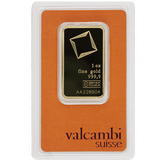
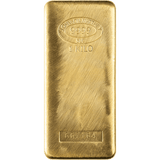
For bullion investors, the practical differences between common purities are minimal. A .999 bar and a .9999 bar contain essentially the same amount of gold per troy ounce — the difference is 0.1% at the fourth decimal place. The .9999 standard is favored by the Royal Canadian Mint and Perth Mint and carries a slightly higher cost to produce due to more intensive refining.
For scrap and jewelry sellers, purity is everything. When you bring gold jewelry to a dealer, the first step is determining karat — by hallmark stamp, acid test, or XRF analysis. The karat determines what percentage of the item's weight counts as gold when calculating the offer price.
Common purity levels you will encounter in the market include 24K / .999-.9999 (bullion standard — Eagles, Maples, bars), 22K / .9167 (American Gold Eagles, Krugerrands, Sovereigns), 21.6K / .900 (pre-1933 U.S. gold coins, French and Swiss gold), 18K / .750 (high-end jewelry, European standard), 14K / .583 (most common U.S. jewelry), and 10K / .417 (minimum legal standard for "gold" in the U.S.).
THE BOTTOM LINE
Karat and fineness are two languages for the same thing: how much of a product is pure gold. For bullion purchases, fineness is the standard you will see most often. For jewelry, karat is the system everyone uses. Both translate directly to gold content, which is what determines value.
At Alex Lexington, every product listing includes both purity and weight so you always know exactly how much gold you are buying. For scrap and jewelry evaluations, our team uses precision testing to determine karat and calculate fair melt value.
WHERE THIS APPLIES
Holding mixed-karat jewelry? The scrap calculator converts karat to pure content and prices it against spot. For investment-grade purity instead, see gold in the case today.
RELATED TERMS
Troy Ounce | Premium (Over Spot) | Bullion | Hallmark | Melt Value
DISCLOSURE
Alex Lexington provides this content for educational purposes only. This is not investment advice. Precious metals prices fluctuate and past performance does not guarantee future results. Consult a qualified financial advisor before making investment decisions. Alex Lexington is a licensed precious metals dealer, not a registered investment advisor.