


Gold
—











Gold IRA Explained: How to Hold Physical Gold in Your Retirement Account
CHAMBLEE, GA · PRECIOUS METALS EDUCATION
ALEX LEXINGTON
THE DAILY MARKET INTELLIGENCE EDITION
WHAT IT MEANS
A Gold IRA is a self-directed Individual Retirement Account that allows you to hold physical precious metals — gold, silver, platinum, and palladium — as qualified retirement investments. It functions like a traditional or Roth IRA in terms of tax treatment, but instead of holding stocks and bonds through a brokerage, it holds physical metal in an approved depository.
The IRS permits physical precious metals in retirement accounts under specific rules. The metal must meet minimum purity standards, must be stored in an IRS-approved depository (not at home), and must be managed through an IRS-approved custodian — a financial institution that handles the paperwork, compliance, and reporting.
WHY IT MATTERS FOR INVESTORS
A Gold IRA gives investors tax-advantaged exposure to physical metals. In a Traditional Gold IRA, contributions may be tax-deductible, and gains are tax-deferred until withdrawal. In a Roth Gold IRA, contributions are made with after-tax dollars, but qualified withdrawals (including any gains) are tax-free.
The IRS purity requirements for metals in an IRA are specific. Gold must be .995 fine or higher (most bullion products qualify — Eagles are an exception at .9167 that the IRS specifically allows). Silver must be .999 fine. Platinum and palladium must be .9995 fine.
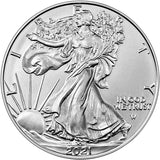
Products that qualify include American Gold and Silver Eagles (explicitly authorized by statute), Canadian Maple Leafs, Australian Kangaroos, Austrian Philharmonics, and bars from NYMEX/COMEX or LBMA-accredited refiners meeting purity minimums. Products that do not qualify include most foreign coins below purity thresholds, collectible or numismatic coins, and any item that does not meet the fineness standard.
The process for opening a Gold IRA involves selecting a custodian (a specialized IRA company that handles precious metals accounts), funding the account (through a direct contribution, rollover from an existing 401k or IRA, or transfer from another IRA), purchasing metals through an approved dealer, and storing the metals at an IRS-approved depository.
HOW IT CONNECTS TO PRECIOUS METALS
Gold IRAs have real costs that investors should understand before committing. Custodian fees typically run $50-300 per year for account maintenance. Storage fees at the depository typically run $100-300 per year depending on the value stored. There may be transaction fees for buying and selling metals within the account.
These fees are higher than the zero-commission brokerage accounts that most investors are accustomed to. However, Gold IRA advocates argue that the fees are justified by the unique benefits: holding physical metal with no counterparty risk, diversification outside the stock and bond market, and tax-deferred or tax-free growth on an asset that has appreciated significantly over the past two decades.
The most common use case is a partial rollover. An investor with a $500,000 traditional IRA rolls $50,000-$75,000 (10-15%) into a Gold IRA, maintaining the rest in conventional investments. This provides precious metals exposure within the retirement portfolio without abandoning traditional growth assets.
One critical rule: IRA metals cannot be stored at home or in a personal safe deposit box. The IRS requires an approved depository — a bonded, insured vault facility that meets federal standards. Taking physical possession of IRA metals before the qualified distribution age triggers a taxable distribution plus a 10% early withdrawal penalty.
THE BOTTOM LINE
A Gold IRA is a legitimate, IRS-sanctioned way to hold physical precious metals in a tax-advantaged retirement account. It is not a scheme or a loophole — it is part of the tax code, with specific rules about purity, storage, and custodianship that must be followed precisely.
For investors who already own physical metals outside retirement accounts and want to add metals exposure inside their retirement portfolio, a Gold IRA provides a structured, compliant path.
Alex Lexington supplies IRA-eligible bullion products that meet all IRS purity and accreditation requirements. We work with established custodians to ensure your metals are properly documented and stored.
WHERE THIS APPLIES
IRA-eligible metal must meet minimum fineness and be held by an approved custodian. See gold in the case today for qualifying bullion, and SECURE vault storage for how custody works here.
RELATED TERMS
Bullion | Purity (Karat/Fineness) | Allocated Storage | Troy Ounce | Diversification
DISCLOSURE
Alex Lexington provides this content for educational purposes only. This is not investment, tax, or legal advice. Consult a qualified financial advisor and tax professional before making IRA decisions. Precious metals prices fluctuate and past performance does not guarantee future results. Alex Lexington is a licensed precious metals dealer, not a registered investment advisor or IRA custodian.