


Gold
—







What Is Mintage? Why Scarcity Matters Less Than Most Buyers Think
WHAT IT MEANS
Mintage is the number of coins of a particular design, denomination and year that a mint produced. A coin with a mintage of twelve thousand is rarer than one with a mintage of three million, and for certain buyers that difference is the entire point.
Mintage figures are published by sovereign mints, usually at the end of a production year. For older issues they are established from historical records, and for some early coinage they are estimates rather than counts.
WHY IT MATTERS FOR INVESTORS
It matters enormously in one market and very little in another, and confusing the two is a reliable way to overpay.
In numismatics — the collector market — mintage is a primary driver of value. A low-mintage year of an otherwise common series can be worth many multiples of its metal content, because collectors are competing for a genuinely fixed supply. Condition, grading and provenance then multiply that further. This is a real market with real depth, and people who know it well do well in it.
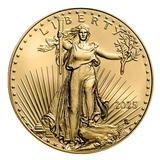
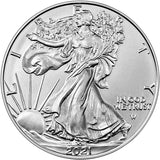
In bullion, mintage is largely irrelevant. A one-ounce Gold Eagle from a low-mintage year contains exactly the same ounce as one from a high-mintage year. If you are buying metal for metal's sake, you are buying weight and purity, and the year stamped on the coin should not move the price you pay much at all.
The trouble begins when the two markets are deliberately blurred.
HOW IT CONNECTS TO PRECIOUS METALS
Three things to hold onto.
"Limited mintage" is the oldest markup in the business. A standard sales technique is to attach collector language to what is functionally bullion, then charge a collector premium for it. Modern issues marketed as rare because production was capped at a number nobody independently verifies are the usual vehicle. The metal is worth what the metal is worth.
Numismatic premiums are not guaranteed to survive. Collector value depends on collectors continuing to want that specific thing. Metal value depends on nothing. A coin bought at three times melt for its rarity can be sold years later into a market that has moved on — and the floor beneath it is melt, not the price paid.
The dividing line is your own intent. If you want to collect, collect: learn the series, learn grading, buy graded coins from specialists, and treat it as a distinct discipline. If you want metal, buy widely recognised bullion at the lowest sound premium you can find, and let mintage be somebody else's concern.
THE BOTTOM LINE
Mintage is a fact about production, not a promise about value. It drives the collector market, where it is genuinely important, and it is largely noise in the bullion market, where weight and purity decide the price.
The practical rule is to know which market you are transacting in before you agree to the premium. An ounce is an ounce. What you pay above it should be something you chose deliberately.
WHERE THIS APPLIES
Buying for metal rather than rarity? Browse coins and bars with the premium over spot stated per product, or check what recognised bullion fetches on the buyback calculator.
RELATED TERMS
Numismatics | Metal Premium | Sovereign Mint | Bullion | Full glossary
DISCLOSURE
Alex Lexington provides this content for educational purposes only. This is not investment advice. Precious metals prices fluctuate and past performance does not guarantee future results.