


Gold
—






What Is an Assay? How Precious Metal Is Proven Rather Than Assumed
WHAT IT MEANS
An assay is the analytical determination of precious metal content. Not an estimate, not a reading off a stamp — a measurement of how much gold, silver, platinum or palladium a given item actually contains.
Several methods exist. Fire assay, the oldest and still the reference standard for gold, melts a sample with fluxes so the precious metal separates from everything else and can be weighed directly. X-ray fluorescence reads surface composition instantly and non-destructively. Acid testing gives a rough karat range and is adequate for triage, not for settlement. Specific gravity testing compares weight against displaced volume.
Each trades speed against certainty. Fire assay destroys the sample and takes time; it is also the one nobody argues with.
WHY IT MATTERS FOR INVESTORS
Assay is the reason a stamp can be trusted, and the reason unstamped metal is worth less.
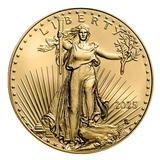
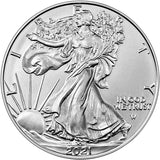
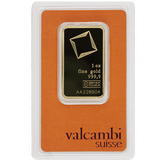
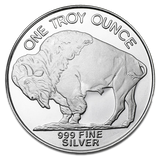
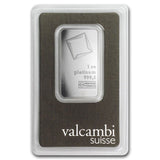
When you buy a sovereign coin or a major-brand bar, you are buying a chain of verification: the refiner assayed the metal, a recognised mint struck it, and the market has agreed that the resulting hallmark means what it says. That accumulated trust is precisely what the premium pays for. You are not required to test it, because institutions with something to lose already did.
Take that chain away and the economics change. Scrap jewellery, an unmarked bar, inherited pieces of unknown origin — none of these carry a credible claim about their own content. Before anyone can pay you properly for them, somebody has to find out what is actually there.
HOW IT CONNECTS TO PRECIOUS METALS
Three consequences worth understanding.
Assay costs come out of your proceeds, one way or another. Determining content takes equipment, time and expertise, and that cost is real whether it appears as a line item or is absorbed into a lower offer. This is a large part of why scrap settles below the equivalent weight in recognised bullion.
Karat stamps on jewellery are a starting point, not a conclusion. Solder, plating, mixed lots and outright mismarking are ordinary in scrap. A responsible buyer tests rather than trusting the stamp, and if a buyer is not testing, they are protecting themselves through the offer instead.
Recognised bullion largely bypasses the problem. This is the quiet argument for buying sovereign coins and major-refiner bars: the assay question is already settled, the market accepts the hallmark, and you are not paying to re-establish what your metal is every time it changes hands.
THE BOTTOM LINE
An assay is how the industry converts a claim into a fact. Most buyers of bullion never commission one, because the entire point of a recognised hallmark is that the verification already happened somewhere upstream.
Where it becomes your concern is on the sell side, particularly with scrap or unmarked metal. Knowing what an assay is — and that the cost of one is embedded in any offer you receive — turns an opaque number into an explicable one.
WHERE THIS APPLIES
Selling scrap or unmarked metal? The scrap and karat calculator estimates content before you come in, and the buyback calculator quotes recognised bullion against live spot.
RELATED TERMS
Purity | Karat vs Fineness | Hallmark | Refinery | Full glossary
DISCLOSURE
Alex Lexington provides this content for educational purposes only. This is not investment advice. Precious metals prices fluctuate and past performance does not guarantee future results.