


Gold
—









What Is the Buy-Sell Spread? The Real Cost of a Round Trip in Metal
WHAT IT MEANS
The buy-sell spread is the difference between the price at which you can buy a product and the price at which you can sell the same product back, at the same moment.
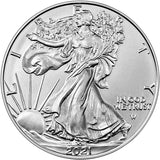
Buy a one-ounce coin and try to sell it back an hour later, with the spot price unchanged, and you will get less than you paid. That gap is the spread. It exists in every market for every physical good, and in precious metals it is unusually easy to measure, because both sides of it are quoted against the same public reference price.
WHY IT MATTERS FOR INVESTORS
The spread — not the purchase premium — is the actual cost of owning physical metal.
A purchase premium tells you half the story. Two dealers can quote nearly identical premiums and offer very different buybacks, and the one with the better bid is the cheaper dealer, regardless of which looked cheaper at the point of sale. Buyers focus almost entirely on the entry price, because that is the number in front of them, and the exit price is hypothetical on the day they buy.
It also reframes the holding period. A spread of a few percent is trivial across a decade and punitive across a month. Physical metal is a poor instrument for short-term positioning for precisely this reason, and the spread is the arithmetic that makes it so.
HOW IT CONNECTS TO PRECIOUS METALS
Three practical rules.
Ask for the buyback number before you buy. Any dealer can tell you what they would pay for the item you are considering, right now, against live spot. Getting both numbers turns an opaque purchase into a measurable one. A firm that will quote a purchase price but becomes vague about the bid has told you something important.
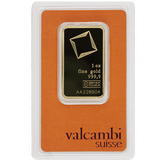
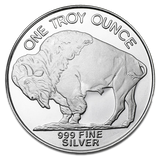
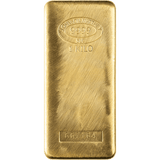
Spreads vary by product far more than by dealer. Widely recognised sovereign coins and major-brand bars have tight spreads because many firms compete to buy them. Obscure rounds, private-mint bars and anything sold with a collector story attached have wide ones — sometimes wide enough that the metal must appreciate substantially before you break even.
Silver spreads are wider in percentage terms, and that is structural. The handling cost of a transaction does not scale with the value of the metal, so the same work represents a much bigger share of a silver order. It is not a dealer treating silver buyers worse.
THE BOTTOM LINE
The spread is the toll for a round trip. It is the single most useful number for comparing dealers, and the one most buyers never ask for.
Get both sides quoted before you commit. It takes one question, it is answerable in seconds, and it reveals more about who you are dealing with than any amount of marketing material.
WHERE THIS APPLIES
Both sides, visible: premiums stated per product when you browse gold and silver, and the bid quoted against live spot on the buyback calculator. Buyback offers are given in writing.
RELATED TERMS
Bid-Ask Spread | Metal Premium | Liquidity | Bullion | Full glossary
DISCLOSURE
Alex Lexington provides this content for educational purposes only. This is not investment advice. Precious metals prices fluctuate and past performance does not guarantee future results.