


Gold
—






%0A$4,825/oz%20(down%20$11.58,%20...)
Silver Surges 5.7% and Gold Holds $4,800 — Here's Why We're Not Chasing
WEDNESDAY, APRIL 15, 2026 · ATLANTA, GA
ALEX LEXINGTON
THE DAILY MARKET INTELLIGENCE EDITION
MARKET SNAPSHOT
| Gold Spot (XAU/USD) | $4,825/oz (down $11.58, -0.24% from prior close) |
| Silver Spot (XAG/USD) | $79.67/oz (up $0.24, +0.30% from prior close; following prior session's +5.7% surge) |
| Gold/Silver Ratio | 60.6:1 — approaching historically compressed territory |
| Brent Crude | $95.72/bbl (down from prior session highs) |
| WTI Crude | $91.50/bbl (approximately -1.0% from prior session) |
| DXY (US Dollar Index) | 99.03 (up +0.39% — rebounding from 6-week lows) |
| 10-Year Treasury Yield | 4.297% (down -0.46% on the day) |
| S&P 500 (SPY) | $694.46 |
| VIX | 19.12 (below 20 — moderate fear environment) |
| GLD (SPDR Gold Shares) | $435.36 (April 14 close, per Investing.com/Yahoo Finance) |
| SLV (iShares Silver Trust) | $71.94 (April 14 close, per Investing.com/Yahoo Finance) |
Tuesday's session delivered a +2.0% gold surge and a +5.7% single-day silver explosion — silver's largest single-session gain since March 2026. The catalyst was Bloomberg reporting that Washington and Tehran have moved toward scheduling a second round of US-Iran peace talks, easing the Strait of Hormuz blockade fears that drove oil above $100 earlier this month. Gold is consolidating this morning at $4,825 — down a measured -0.24% — while silver holds its $79+ gains rather than surrendering them to profit-taking, a constructive sign. The CFTC Commitments of Traders report shows gold speculative net longs at 156,300 contracts and silver at 23,417 contracts — neither reading is crowded, which means this move has not yet exhausted speculative fuel. ETF Channel data confirmed GLD absorbed $1.3 billion in weekly inflows during the week of April 9, demonstrating that institutional buyers are adding exposure at these levels even after gold pulled back roughly 14% from January highs above $5,600.
MARKET CONTEXT
Gold and silver both jumped this week for the same reason: the word "talks." The April 12 Islamabad marathon between US and Iranian negotiators collapsed after 21 hours without agreement, sending gold down to $4,658 on Monday morning. Then re-engagement signals emerged. Bloomberg reported both parties are now scheduling a second round. Markets priced in the shift immediately.
Gold's recovery from $4,658 to $4,825 — a $167 move in two sessions — followed what analysts call the East-West session handoff. The Asian session on Monday set the low on the Islamabad collapse. London reversed higher on re-engagement signals. The US session on Tuesday confirmed the recovery. That three-session progression from breakdown to recovery in 48 hours tells you how tightly geopolitical headlines are controlling price right now.
Silver's move tells a different story — and it is the more interesting one. The gold/silver ratio compressed from 62.8:1 on Monday to 60.6:1 today. That means silver outperformed gold by a wide margin across the same two sessions. Why? Because silver trades two markets simultaneously. It carries gold's safe-haven logic, but it also carries industrial demand for solar panels, electronics, and electric vehicle components. When Hormuz blockade fears ease, oil retreats, and energy inflation pressures loosen, the industrial demand story for silver gets stronger, not weaker. Both sides of silver's dual personality were responding to the same peace-talks headline.
The World Gold Council's framing of this moment is the most important context a domestic-only analyst would miss. Their headline this month: "Eastern inflows counterbalance Western outflows." North American gold ETFs saw $13 billion in outflows in March — the largest single-month exodus on record, ending a nine-month inflow streak. Yet gold held above $4,700 through that entire period because Asia-Pacific buying absorbed what the West was selling. The People's Bank of China confirmed its 17th consecutive monthly gold purchase in March, adding 5 tonnes to bring total reserves to 2,313 tonnes, per the World Gold Council. Perth Mint in Australia reported "unprecedented bullion demand" causing early queue closures, with February gold minted products surging 131% month-over-month, per the Australian Financial Review. New central bank buyers — Cambodia, the Czech Republic, Malaysia — entered the market in February 2026 data. The Eastern bid is structural, not tactical.
Today is a consolidation session. The Nikkei rallied 2.32% on de-escalation optimism, confirming the risk-on environment. ASX gold miners followed through: Northern Star gained 4.56%, Newmont rose 3.21%, Evolution Mining added 2.24%, per the April 14-15 session data. The Shanghai Gold Exchange reported a modest +0.07% premium over London, confirming steady physical buying in Asia rather than a premium collapse that would signal fading demand.
MAVERICK'S TRADING JOURNAL
Two positions remain open without close confirmation.
The GLD BUY opened April 2 at $437.82. GLD closed April 14 at $435.36, per Investing.com — down -0.56% from entry. The $425 stop has not triggered. The $454 target has not been reached. Gold spot at $4,825 is modestly positive from the approximate $4,795 spot level at entry, so the underlying thesis is intact even while the ETF close is slightly underwater. This position has been open 13 calendar days.
The SLV BUY opened March 31 at $64.03. SLV closed April 14 at $71.94 — up +12.36% from entry. The $68.50 target was exceeded days ago. This is the fifth consecutive session that SLV has closed above the original target, and Tuesday's +5.7% silver surge took SLV from $68.27 to $71.94 in a single session. In spot terms, silver at $79.67 is approximately +9.3% above the ~$72.89 spot level at entry. The position has earned its result. What it needs is close confirmation.
No new call today. New positions are not stacked on top of open ones — that discipline is not a technicality. It is how you avoid tripling exposure to the same geopolitical headline. If Hormuz news breaks badly tomorrow, a portfolio with three open long positions in metals absorbs three simultaneous blows. Sequential position management is what separates a trading journal from a speculative pile-on.
The Fed Beige Book releases today at 4:15 PM ET. Previous editions flagged tariff-driven cost pressures across all Federal Reserve districts. If today's language is hawkish on inflation, the DXY — already rebounding +0.39% from six-week lows — could extend its recovery and create a headwind for gold into the close. CME FedWatch currently prices a 94.1% probability the Fed holds rates at 3.50-3.75% at the April 28-29 FOMC, with only one cut priced for all of 2026. The rate-hike tail risk is off the table, but the higher-for-longer framework means gold's forward narrative depends on dollar direction, not rate cut timing.
THE TAKEAWAY
For physical buyers, today's picture splits cleanly by metal.
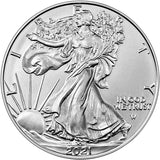
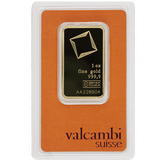
Gold at $4,825 spot is approximately $775-$835 below the January all-time high above $5,600. A 1-ounce Gold Eagle, Gold Maple Leaf, or Gold Krugerrand at today's spot price plus typical dealer premiums of $120-$180 per coin puts the all-in cost around $4,945-$5,005. That is a meaningful discount from the January peak for clients accumulating on a schedule. The structural supports have not changed: 17 consecutive months of PBOC buying, central bank demand forecast at 850 tonnes for 2026, Goldman Sachs targeting $5,400 and JPMorgan and Wells Fargo both targeting $6,300 by year-end. At Alex Lexington, we have been watching these cycles since 1977. The clients who build real wealth in metals are the ones who accumulate on schedule — not the ones who try to time the perfect entry. At $4,825, you are buying into a 14% pullback from all-time highs with central bank demand as structural support. The journal's current position is ACCUMULATE GRADUALLY — steady buys at current levels against strong structural supports.
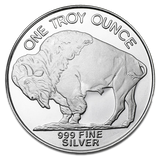
Silver is a different conversation today. At $79.67 spot, silver is at its highest level since the March 2026 highs, following a 5.7% explosion in a single session. Generic silver rounds carry typical premiums of $3-$5 per ounce, putting the all-in cost around $83-$85. This is not a buy-the-dip moment for silver. You would be buying extended. Perth Mint has already reported "unprecedented bullion demand" causing early queue closures — physical supply is tightening precisely when prices are elevated. Silver buyers who have been waiting: a 3-4% pullback toward $76-$77 is a more disciplined entry point than chasing a post-surge peak. If you hold 90% junk silver positions, premiums have been stable, but that window could tighten if silver breaks and holds above $80 on accelerating retail demand. Traders and buyers new to silver may want to wait for a pullback rather than chasing a post-surge peak. Existing silver holders have seen this rally work in their favor.
Thursday's Asian session is the key tell for the week. If Asia holds gold above $4,800 and silver above $77, the recovery is building structural support and we approach the three-session alignment that historically precedes the next directional move.
Questions on premiums, vault storage, or where silver fits in your metals allocation? Call us or stop by. We have seen these cycles before.
DISCLOSURE
This content reflects disclosed trading activity and market analysis for educational purposes. Alex Lexington does not manage client funds or provide personalized financial advice. Past performance does not guarantee future results. Always consult a licensed financial advisor before making investment decisions.---