


Gold
—








How to Buy Gold and Silver: A 5-Step Guide for First-Time Buyers
FRIDAY, OCTOBER 30, 2026 · CHAMBLEE, GA
ALEX LEXINGTON
THE LEARNING LIBRARY
THE SHORT ANSWER
Decide why you're buying and how much, choose widely recognized coins or bars, check the spot price, compare the total out-the-door price from two or three dealers, and take delivery in person or by insured shipping with a receipt. That's it. The rest of this guide shows you how to do each step well.
THE FIVE STEPS
- Set your goal and budget. Long-term savings, a gift, a hedge against inflation? Decide how much of your savings you want in metal overall and how often you'll buy. Buying a fixed amount on a schedule, known as dollar-cost averaging, smooths out price swings.
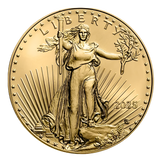
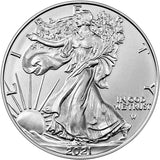
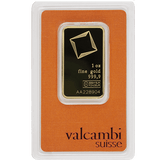
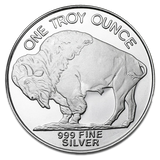
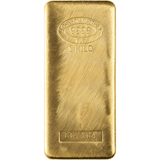
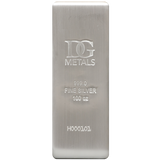
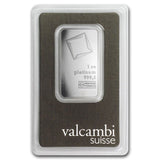
- Choose your metal and form. Gold packs steady value into a small space. Silver costs less per ounce and suits smaller budgets, but it swings more and takes up more room. For easy resale, stick with government coins like the American Eagle or Canadian Maple Leaf and well-known bars. Our guide to bars, coins and rounds explains the difference.
- Check the spot price right before you buy. Spot is the live price of one ounce of raw metal. Knowing it lets you see exactly what premium you're paying on top.
- Compare out-the-door quotes. Ask two or three dealers for the total price on the same product, including card fees, shipping and insurance. As a rough guide, one-ounce gold bars and coins often run about 4% to 6% over spot, and silver coins more, because minting costs are a bigger share of a cheaper ounce.
- Pay and take delivery. Pick up in person or choose insured shipping. Keep your receipt: it records your purchase price, which you'll need for taxes when you sell.
SEVEN QUESTIONS TO ASK ANY DEALER
- What's the premium over spot on this item, and what's the total out-the-door price?
- How do you set your price when clients sell back to you? Not to plan a quick sale, but so you know what to expect years from now.
- How do you verify authenticity and weight?
- How long have you been in business, and where can I read reviews?
- Are you a member of any industry organizations?
- Is the price locked when I agree, and how and when do I receive my metal?
- If you store it for me: who holds it, is it insured, and is it held in my name?
A good dealer answers every one of these plainly. If someone won't explain how they buy back, or rushes you, walk away. Our checklist on how to tell if a dealer is legit goes deeper.
WHAT TO SKIP AS A FIRST-TIME BUYER
- "Rare" or collectible coins pitched to beginners. They often carry markups of 50% or more and are hard to sell for what you paid.
- Novelty pieces, colorized coins and "limited editions" priced far above their metal.
- Anyone pressuring you to decide in the next hour.
Free e-book · 2026 Edition
The Joys of Investing in Gold & Silver. All nine chapters in one illustrated 28-page guide: buying, selling, spotting fakes, storage, IRAs and taxes, and the red flags to walk away from.
Get the free e-bookQUESTIONS PEOPLE ASK
How much gold should a beginner buy?
Whatever you can hold for several years without needing to sell. Many people start with a single one-ounce coin or a few smaller pieces and add on a schedule.
Should I buy gold or silver first?
Gold if you want steady, compact value. Silver if your budget is smaller and you can accept bigger price swings. Many people own both.
Are coins or bars better?
Bars usually cost less over spot, especially in larger sizes. Government coins are the most recognized and easiest to sell. Both are valued mainly on their metal.
Can I buy gold for my IRA?
Yes, through a self-directed IRA with an approved custodian. See our guide to the gold IRA.
WHERE THIS APPLIES
See how buying works at Alex Lexington, browse gold and silver at live prices, or call us at 404.815.8893 with any question on this list.
DISCLOSURE
Alex Lexington provides this content for educational purposes only. This is not investment advice. Precious metals prices fluctuate and past performance does not guarantee future results. Consult a qualified financial advisor before making investment decisions. Alex Lexington is a licensed precious metals dealer, not a registered investment advisor.