


Gold
—





How to Sell Gold and Silver for a Fair Price: How Dealer Offers Are Calculated
FRIDAY, OCTOBER 30, 2026 · CHAMBLEE, GA
ALEX LEXINGTON
THE LEARNING LIBRARY
THE SHORT ANSWER
A fair offer on gold or silver bullion starts from today's spot price, multiplied by the pure metal in your piece, multiplied by the dealer's buy percentage. Know the spot price that morning, get more than one offer, and ask every buyer to show you the weight, the test result and the math.
HOW AN OFFER IS CALCULATED
Offer = spot price × pure metal weight × buy percentage
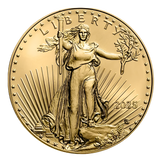
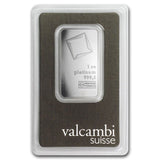
A one-ounce American Gold Eagle holds one troy ounce of pure gold. With gold at $4,000 and a dealer paying 97% of spot, the offer would be $3,880. The percentage varies by product, quantity and market conditions, so always ask how the offer was figured. The gap between what a dealer sells for and buys at is the buy-sell spread, and every market has one.
SCRAP GOLD AND JEWELRY
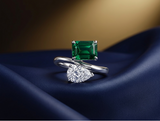
Jewelry and scrap are priced on the pure gold inside, not the karat stamp alone. A 14 karat piece is about 58% gold, often stamped 585, so the dealer weighs it, tests it and pays a percentage of the gold content. That figure is its melt value. Designer pieces and signed jewelry can be worth more than melt, so ask before anything is scrapped. Our scrap value estimator gives you a starting number at today's prices.
BEFORE YOU SELL
- Check the spot price that morning.
- Gather everything: coins, bars, receipts, certificates and any original packaging.
- Get more than one offer, especially on larger amounts.
- Ask to see the weight and the test results, and how the price was calculated. A reputable buyer uses an assay, often XRF, and shows you the reading.
- Keep records of the sale. Gains on metal are taxed as collectibles; see capital gains tax on gold and silver.
WHERE TO SELL
- A reputable dealer. The fastest and simplest option, with payment on the spot or within a day. Ask for the buy percentage up front.
- An auction house. Worth considering for rare or collectible coins, where collectors may pay more than metal value. Expect fees and some waiting.
- Selling to individuals online. Possible, but it brings payment fraud, shipping risk and platform fees. Most people are better served by a dealer.
Free e-book · 2026 Edition
The Joys of Investing in Gold & Silver. Buying, selling, spotting fakes, storage, IRAs and taxes, in one illustrated 28-page guide you can use with any dealer.
Get the free e-bookQUESTIONS PEOPLE ASK
How much will a dealer pay for a one-ounce gold coin?
Spot price times one ounce times the dealer's buy percentage. At $4,000 gold and 97% of spot, that's $3,880. Ask for the percentage before you go.
How is gold jewelry priced when I sell it?
By its pure gold content. The buyer weighs and tests it, works out the gold inside from the karat, and pays a percentage of that value.
Should I sell to a dealer or online?
A dealer is faster and safer for most people. Online sales can bring fraud, shipping risk and fees.
Do I pay tax when I sell gold?
Gains on physical gold and silver are taxed as collectibles in the U.S., at up to 28% for long-term gains. Talk with a tax professional about your situation.
WHERE THIS APPLIES
See how selling works at Alex Lexington, read our buyback policy, or try the bullion buyback calculator.
DISCLOSURE
Alex Lexington provides this content for educational purposes only. This is not investment or tax advice. Precious metals prices fluctuate and past performance does not guarantee future results. Alex Lexington is a licensed precious metals dealer, not a registered investment advisor.