


Gold
—












Your Bank Is Closing Your Safe Deposit Box
The letter usually gives you a deadline and very little else. Branch consolidating, vault service discontinued, please remove your property by such-and-such a date. If you are reading this with that letter in front of you, here is the order to do things in — and the part about gold and silver that the letter will not mention.
First, Read the Letter for Three Things
- The actual deadline. Not the postmark, the date they will drill the box. Put it in your calendar with two weeks of margin, because branch appointments get scarce as everyone else's deadline lands too.
- Whether they are offering a transfer. Some banks move you to another branch with a vault. If the branch offered is inconvenient now, it will still be inconvenient in five years, and that branch's vault may be next.
- What they say happens if you do nothing. This is the paragraph people skim, and it is the important one.
What Happens If You Miss the Deadline
Boxes that are not emptied are drilled open. The contents are inventoried by bank staff, held for a period, and if still unclaimed are eventually turned over to the state's unclaimed property program. Recovering property once it has gone that route is a paperwork exercise measured in months, and physical items are sometimes liquidated by the state rather than held indefinitely.
Specific timeframes and procedures vary by state and by bank, so go by your letter and your own state's rules rather than by anything on this page. The practical point is simple: do not let the date pass.
Emptying the Box — Do It Properly
- Photograph everything before it leaves the counter. One photo of the open box, then the contents laid out. It takes two minutes and it settles arguments later.
- Write a rough inventory on the spot. Count coins, note bars, list jewelry. You do not need values, just a record of what came out.
- Take someone with you if the box holds anything substantial — for the second set of eyes and for the drive home.
- Do not sort or decide anything at the counter. Bank lobbies are a bad place to make decisions about inherited property.
- Ask about the key deposit and any refund on prepaid rent while you are there, because you will not want to go back.
Sorting What Came Out
Most boxes hold some combination of four things, and each wants a different destination:
- Documents — deeds, wills, birth certificates, titles. A quality home fire safe handles these well, and originals of some documents are better with your attorney. Note that a will locked in a box nobody can open is a recurring probate headache.
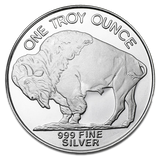
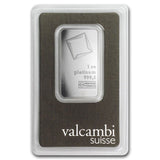
- Bullion — coins, bars, rounds. This is the category with a real insurance problem. See below.
- Jewelry. Worth separating into what you wear, what you would sell, and what should be looked at properly before either.
- Collectibles — coin albums, currency, odds and ends. Do not clean any of it, and do not assume the tired-looking pieces are the worthless ones.
The Part About Gold and Silver
While it sat in the bank, your metal was almost certainly uninsured. The FDIC does not cover safe deposit box contents, and most box agreements say the bank rents space rather than taking custody. Now that it is on your kitchen table, it is uninsured in a less secure place — and standard homeowners policies cap bullion and coin coverage at a few hundred dollars in most cases.
That gives you three sensible destinations, and they are covered properly on is my safe deposit box insured:
- Schedule it on your homeowners policy, with an independent appraisal.
- Buy a standalone valuables policy.
- Store it where insurance is part of the custody arrangement.
Or sell some of it, which is a perfectly reasonable answer if you were only holding it because the box existed.
If You Want It Vaulted Instead
Alex Lexington runs a segregated, insured vault at our Chamblee office. Metal is stored as your metal — never commingled, never lent out — insured at declared value, in Georgia rather than an out-of-state depository, with access by appointment. One rate applies to your whole balance, set by declared value; the table is on the SECURE page.
Start with a conversation rather than an inventory: 404.815.8893, or the contact form. Someone gets back to you within 24 hours on business days. A family firm in the trade since 1977, now in its third generation.
A Sensible First Week
- Day 1 — read the letter, diary the deadline, book the branch appointment.
- Day 2–3 — empty the box, photograph and inventory, take it home.
- Day 4 — separate documents from metal from jewelry. Decide nothing yet.
- Day 5 — pull your homeowners declarations page and find the bullion sub-limit.
- Day 6–7 — get a value on the metal, then decide: insure, vault, or sell.
Frequently Asked Questions
What happens if I do not empty my safe deposit box in time?
The box is drilled, the contents inventoried by the bank and held for a period, and if still unclaimed they are eventually turned over to the state's unclaimed property program. Reclaiming property at that stage takes months, and states sometimes liquidate physical items. Timeframes vary by state and bank, so follow your letter.
Why is my bank closing safe deposit boxes?
Boxes earn a small annual fee, occupy expensive retail floor space, need staff present for every access, and carry legal exposure. As branch networks shrink, vault service is usually cut first. Several large national banks have stopped offering boxes to new customers entirely.
Was my gold insured while it was in the box?
Almost certainly not. The FDIC insures deposits, not box contents, and most box agreements state the bank rents space rather than taking custody of what is inside. Unless you arranged your own coverage, it was uninsured.
Should I photograph the contents?
Yes, before anything leaves the counter. One photo of the open box, then the contents laid out, plus a rough written inventory. It costs two minutes and settles disputes later.
Where should I put my gold and silver now?
Three workable options: schedule it on your homeowners policy with an independent appraisal, buy a standalone valuables policy, or store it with a depository where insurance is part of the custody arrangement. Selling is also a legitimate answer if the box was the only reason you were holding it.
Can I just keep it at home?
You can, but check your homeowners policy first. Standard policies commonly cap bullion and coin coverage at a few hundred dollars in total, so a home safe may protect against fire and casual theft while leaving the value itself uncovered.
What should I do with documents from the box?
A quality home fire safe suits most documents, and originals of some are better held by your attorney. A will locked where nobody can reach it is a recurring probate problem, so make sure your executor knows where it is.